
Existing as an older, Black, lesbian
A conversation with the Berlin-based DJ House Of Grace about ageism, queer spaces and desire as a lesbian
 Published on October 20th, 2026
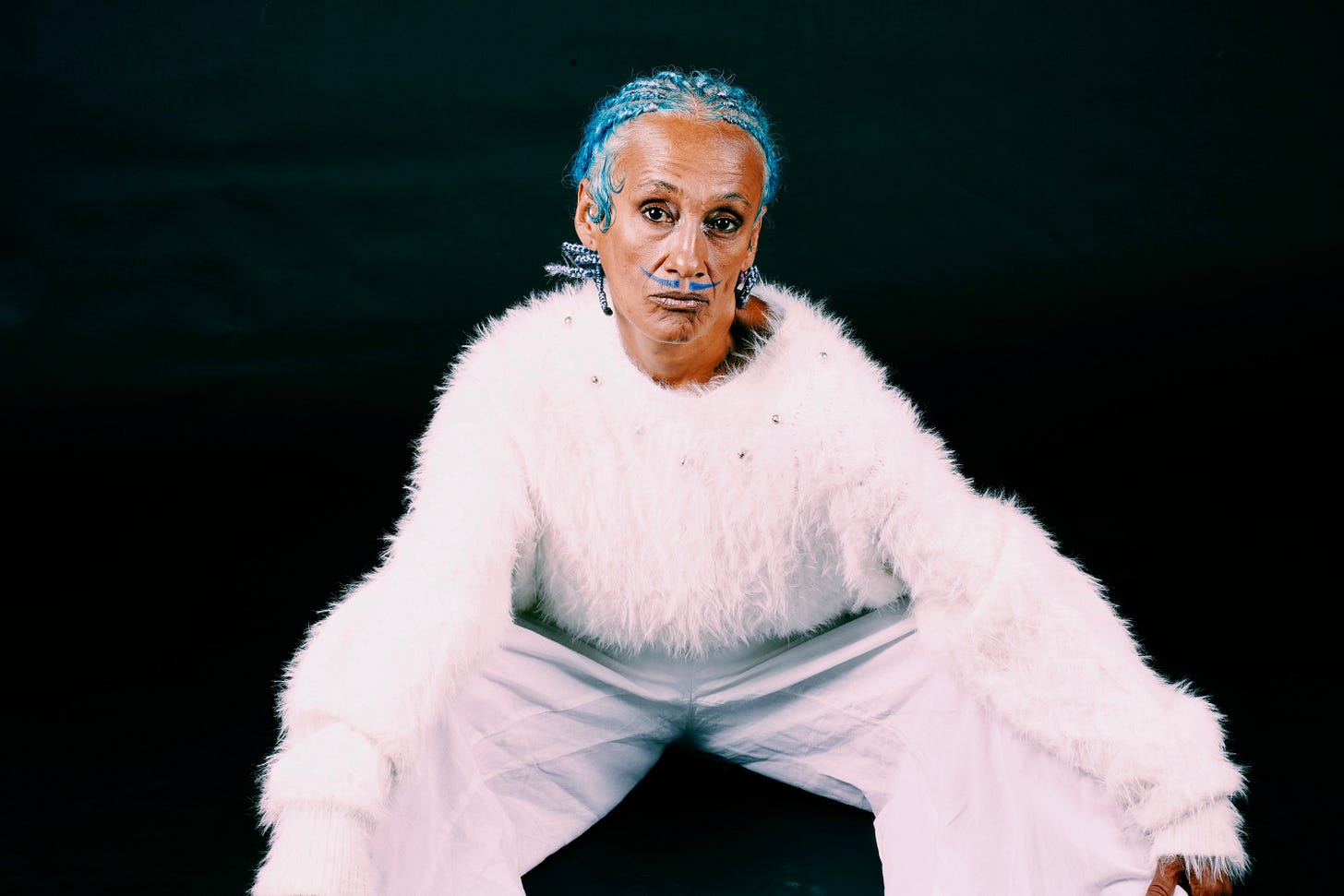
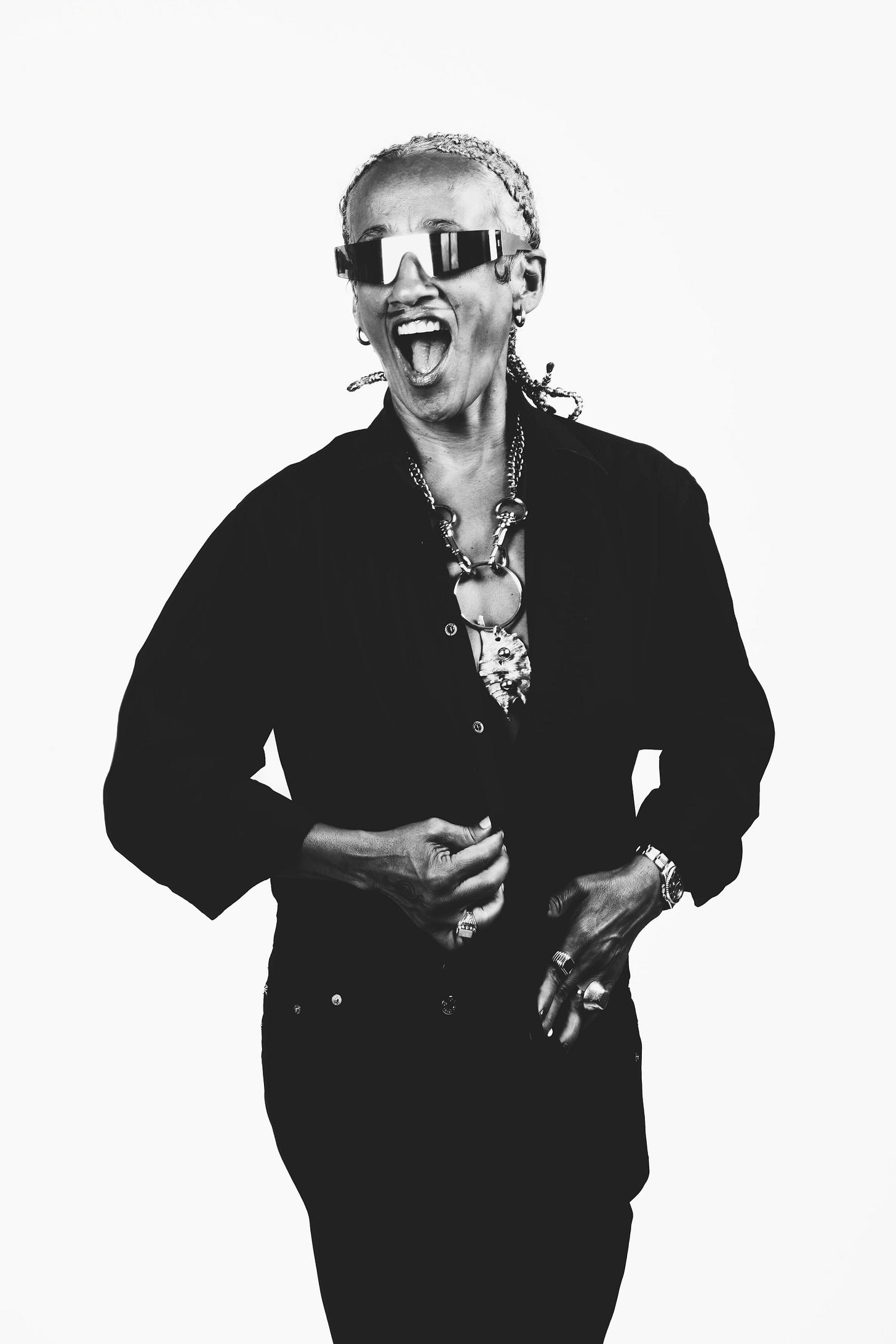
I first met Grace in Brazil earlier this year, then again a few months later, back in Berlin. When I started thinking about the next voice I wanted to bring to Pulp, hers felt like an obvious one. Grace holds an important combination of perspectives: she is a visible older queer person, a Black lesbian, a DJ who has been part of Berlin’s queer scene for decades, and someone who moves between two very different cultures.
We sat down to talk about the two cities she lives between, creativity, ageism in Berlin’s queer scene, the lack of visibility for Black lesbians and older FLINTA people, and what Berlin could learn from Brazil about desire.
How do you like to present yourself?
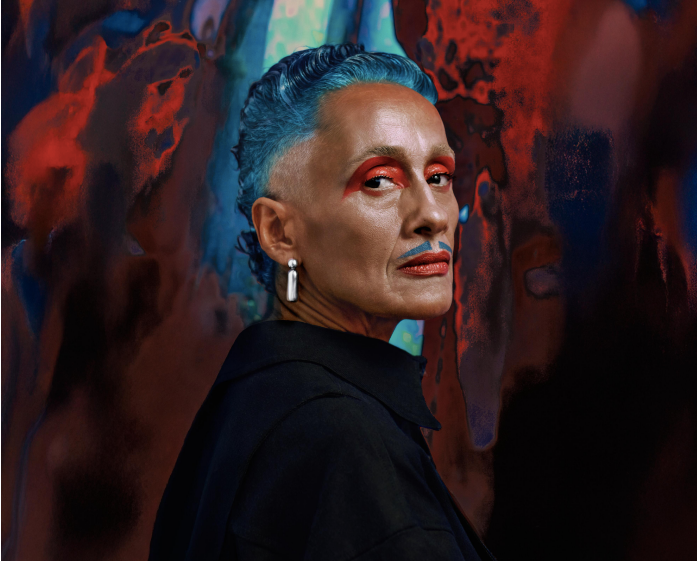
I’m Grace, I’m from Brazil and I like to call myself a Black Magic Lesbian. I use “magic” because I think life is about magic. Especially in Brazil, you can feel this magic we need to bring into life, to exist and resist every day.
I’ve been living in Berlin for 30 years and I’ve been DJing for 26 years now. As a kid, I always knew I wanted to see different things. I remember climbing a tree in my garden and thinking: I want to see more than I can see. When my brother moved to Berlin, I took the opportunity to move too and I’ve been navigating both countries ever since.
Navigating both cultures, do you think Berlin could learn anything from Brazil?
Oh yes, on many levels.
First, Berlin still has a lot to learn when it comes to creativity. As a queer person in Brazil, you often have no choice but to be creative because there aren’t many resources. You have to invent things from nothing. Berlin is creative, sure, but it’s still limited. You can feel that there is less necessity behind it.
I also feel like Berlin is very different when it comes to openness. I wish people here could unlearn some of the overthinking: let go a little more, simply explore what they actually want and put less distance between each other.
That difference becomes particularly obvious to Grace on the dancefloor. Social media and phones have changed the way people connect at parties in Europe, she says. But Berlin’s club culture still has something she values deeply. People connect way more when they’re not always taking selfies on the dancefloor. They’re more present, they talk to people and they genuinely get closer because they have space to feel. I love that Berlin is so protective about not recording anything in clubs.
What about the queer scenes?
For Grace, the quality of a queer space depends on much more than its label. She looks at who is on the lineup, who is organising the party, which generations are represented and whether the people behind it are actually creating diverse spaces.
All of this is really important to create a space where everyone can feel safe and be themselves. But we’re still missing really queer spaces in Berlin.
She would like to see more spaces where different genders and generations genuinely mix. Many parties and clubs that call themselves queer are still largely dominated by gay men. Party organizers have to take into account the economic dimension if they want to make a truly diverse party: gay men are structurally richer, which can make partying more accessible to them. I’d also love to see more parties where it’s not just the young generation.
I know that this generation topic is important for you. What do you think of ageism in Berlin?
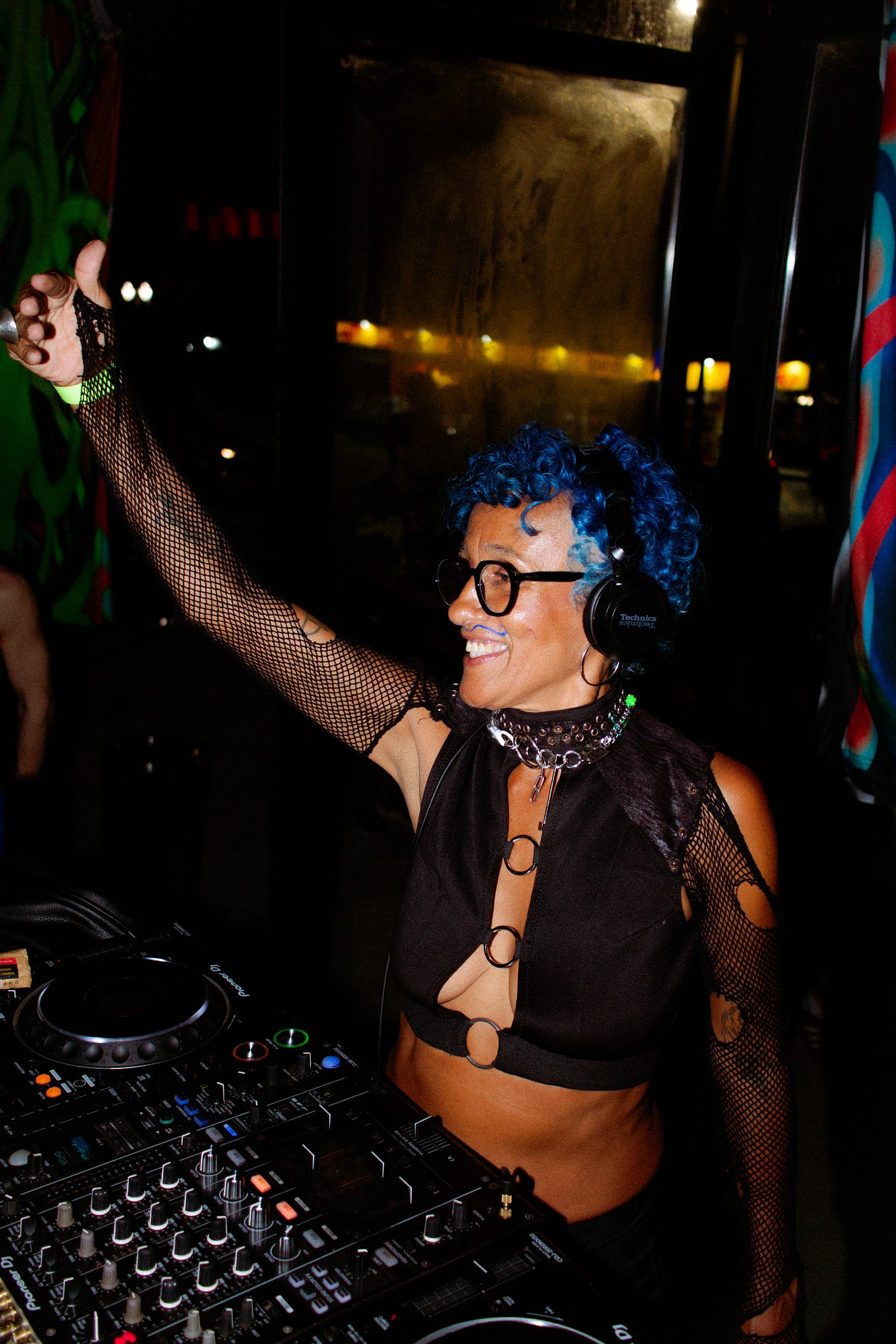
At almost 60, Grace knows what it means to feel visibility disappear.
I can definitely feel ageism, both in the lineups and on the dancefloor. I don’t see many older FLINTA people going to parties or being booked. You see older gay men everywhere, DJs who’ve been playing house for twenty years are still on lineups. But how many older FLINTA DJs can you see playing in clubs every weekend?
For Grace, age is only one part of the problem.
You’re even more invisible when you’re Black. So imagine being a Black FLINTA and almost 60, you’re totally invisible for most people.
She knows DJs her age who have stopped playing because they no longer feel they have a platform. As clubs change owners and directors, relationships and networks change with them, and people can quickly disappear from the scene if they are not connected to the people organising parties.
For her, representation is therefore not simply about seeing yourself reflected. It is also about being given permission to imagine yourself there.
It would be nice for so many younger FLINTA to feel: hey, if I’m 50 or 60 and I still want to do music, I can do it. That’s what representation does. It gives permission.
What about spaces for BIPOC people in Berlin?
Grace has been in Berlin long enough to remember when there were no parties for BIPOC (Black, Indigenous, and People of Color) at all.
In my time here in Berlin, there was nothing going on for BIPOC. So we had to create that space. We created Mashup with friends: the first Brazilian party here in Berlin. The crowd was really mixed with South American people and Black people too. Then later came spaces like Oya and Puti Club, which I was really happy to see.
I used to have a bar too: Madame Satã, in Mitte, about fifteen years ago. Brazilian-run, mixed crowd. But Mitte started to become too expensive and it closed. And this lack of space is not only about BIPOC spaces. I care also about FLINTA spaces, but the story of Berlin’s queer spaces for FLINTA is a story of scarcity. Sure, we have FLINTA nights, but still almost no bars. And when it’s FLINTA, it’s still mostly white.
Are there still moments when you don’t feel safe because of your identity?
It really depends on where I am. In Brazil for instance, I wouldn’t cycle home alone after a gig at night. But this feeling of unsafety is societal rather than specifically connected to my identity. In Berlin, it can be the opposite. Here, when I don’t feel safe, it’s in places where I feel that my identity will be endangered as a lesbian. There are some areas I don’t want to go, or if I’m with someone, I don’t want to hold hands.
She remembers holding hands with a friend in a supermarket near Pankow when another friend asked whether they were sure it was safe to do so.
In Brazil, I don’t have to think about that.
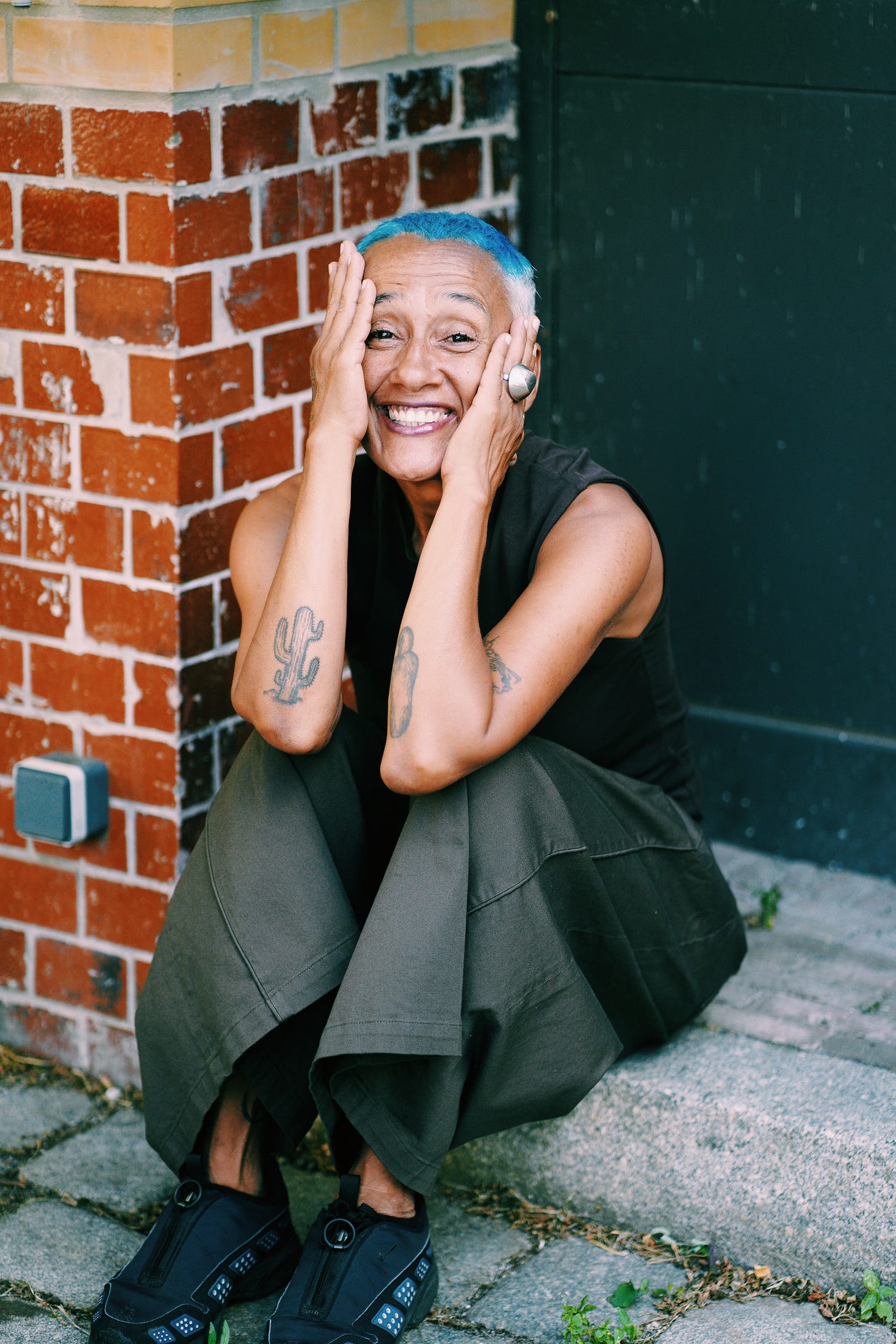
That contrast also shapes the way she experiences desire
Grace feels that Berlin has taught her to overthink moments that might otherwise happen naturally. I remember being at Carnival in Brazil, a girl was dancing with me, I was unsure whether she was interested. The woman had to take my hand and pull me towards her. And I realized: Grace, you’ve become too German now.
I’d love to see people in Europe become more comfortable with directness and presence. Germans would freak out in my country. For me, being direct is not simply about flirting more openly. It is also about being honest with ourselves about what we want, instead of creating unnecessary distance around it.
Things happen so much more easily in Brazil. I don’t know if you can fully learn it. But still, people could start reflecting on their own behaviour, on the distance they create with others, and ask themselves: why am I like this? At the end, if we all want the same thing, we shouldn’t be so hypocritical. Just be more open: I want this, you want this, let’s make this happen together. It is about recognising what is happening between two people and allowing ourselves to participate in it.
She sees the same difference in how people express desire at different ages. In Brazil, she has seen people in their sixties openly making out in the street and that’s normal. People are not shy to express themselves. She tells me about her mother, who at 70 was still wearing the clothes she liked, regardless of whether other people thought they were inappropriate for her age. Someone told her, “You don’t want to look old.” I remember her replying, “What do you mean? I dress how I like to dress myself. I still have clothes I’ve worn for twenty years, my body hasn’t changed and it’s still good, so why would I stop wearing it?”
Grace laughs, then comes back to what she feels is missing.
That’s the thing I miss from people here: to be brave. To show more of themselves, in many senses, to be what they are.
Visibility, it’s always about visibility
Toward the end of our conversation, Grace comes back to the idea that runs through everything we have talked about: visibility.
Women are not visible enough, Black people are constantly overlooked, and older people are always sidelined. So if you’re a combination of all three, you have to be there and brave, otherwise people just erase you.
Her message to younger queer people is simple: make space for one another.
When I go to a party, at the end of the day, I don’t care about the age of the people around me. I see you, you have good energy, let’s dance together, let’s invite each other. A lot of people just stay with their clique, they look and think: oh, there’s someone older, why are they here? That doesn’t make sense.
She leaves us with the simplest version of what she has been saying all along: please make space.
Follow Grace on Instagram: @houseofgrace____
Catch her sets across Berlin’s queer nightlife and beyond.